Posted on Leave a comment

Where to go off-roading in the UK?

Overview

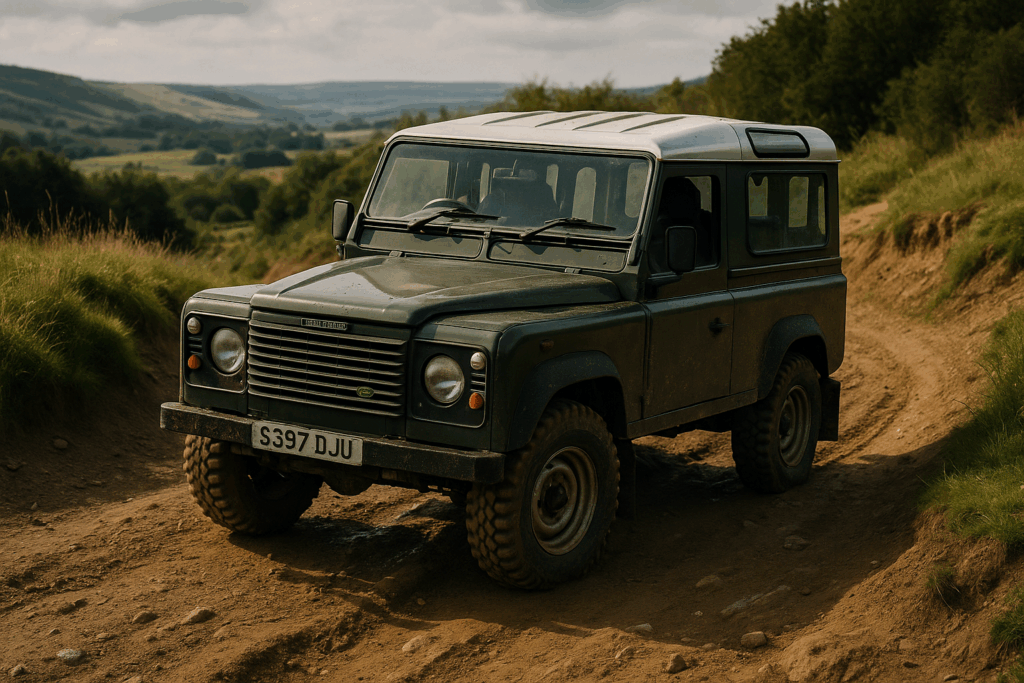
Off-roading enthusiasts in the UK have a variety of locations to choose from, including the purpose-built off-road area at Silverstone, the scenic Honister Pass in Cumbria, and the bespoke Perthshire Off-Road centre in the Scottish Highlands. Salisbury Plain in Wiltshire offers diverse terrain suitable for all skill levels, while Savernake Forest presents challenges for more experienced drivers. Strata Florida in Wales is known for its river crossings and muddy terrain, requiring upgraded vehicles. Green laning is popular, with All Terrain UK providing a community for exploring legal unsurfaced roads called Byways Open to All Traffic (BOATs) and Unclassified County Roads (UCRs).

Table of Contents

Silverstone

Silverstone is renowned for its iconic tarmac course, but it also boasts a purpose-built off-road area that caters to those seeking a different kind of driving experience. This off-road section allows enthusiasts to test their skills on challenging terrain while still being within the famous Silverstone complex. For beginners looking to dip their toes into off-roading, Silverstone’s facility is considered ideal. It provides a controlled environment where newcomers can learn the basics of off-road driving under the guidance of experienced instructors.

Honister Pass

Located in Cumbria, Honister Pass offers more than just an off-roading adventure; it provides breathtaking scenery that enhances the overall experience. The pass features a winding valley route that starts from Keswick and heads towards the River Cocker. As drivers navigate through this picturesque landscape, they are treated to stunning views of rolling hills and rugged terrain, making it a favourite among nature lovers and off-roaders alike.

Perthshire Off-Road

Nestled in the Scottish Highlands, Perthshire Off-Road is a bespoke centre designed specifically for off-roading enthusiasts. It caters to drivers of all experience levels, offering tailored experiences that match individual skill sets. Whether you’re a novice looking to gain confidence or an expert seeking new challenges, Perthshire Off-Road provides diverse trails and obstacles set against the backdrop of Scotland’s majestic highlands.

Salisbury Plain

Salisbury Plain in Wiltshire stands out as one of the top destinations for off-road driving in the UK due to its vast expanse and varied terrain types. The plain offers everything from gentle slopes suitable for beginners to rugged areas that challenge even seasoned veterans.

  • Savernake Forest: Located within Salisbury Plain, Savernake Forest is accessible even for average Ford Ranger drivers. Its trails wind through dense woodlands offering both scenic beauty and moderate challenges perfect for those looking to improve their skills without venturing into extreme conditions.
  • Amesbury: For those seeking more intense off-roading experiences on Salisbury Plain, the muddier routes around Amesbury provide ample opportunity. These areas can test even experienced drivers with deep mud pits and tricky inclines requiring advanced techniques and well-equipped vehicles.

Strata Florida

Situated in Wales, Strata Florida is famed among off-roaders for its combination of river crossings and muddy uneven terrain.

  • The presence of multiple river crossings adds an element of excitement while navigating through thick mud requires both skill and determination.
  • To comfortably tackle Strata Florida’s challenges requires not only expertise but also having an upgraded vehicle equipped with features like enhanced suspension systems and all-terrain tires.

Green Laning

Green laning involves exploring legal unsurfaced roads across rural areas—commonly referred to as “green lanes.” This activity has grown increasingly popular among 4×4 enthusiasts who enjoy discovering hidden trails while adhering strictly to legal routes.

  • All Terrain UK: All Terrain UK offers more than just access to green lanes; it fosters a community spirit among off-roading enthusiasts by providing trail guides and organising events.
    This supportive network helps members navigate new routes safely while sharing tips on vehicle modifications necessary for tackling different terrains encountered during green laning adventures.

Types Of Roads:

  • Byways Open To All Traffic (BOATs): These are public highways open legally not only pedestrians but also all types vehicles including 4x4s motorcycles making them prime targets green laners seeking diverse yet lawful paths explore All Terrain UK .
  • Unclassified County Roads (UCRs): UCRs represent another category often utilised green laning although they may lack clear signposting remain accessible depending local regulations thus appealing those willing research plan their routes thoroughly before setting out .
  1. (Restricted Byways): Noted article restricted byways specifically exclude motorised vehicles allowing access only pedestrians cyclists horse riders horse-drawn carriages thereby limiting appeal strictly non-motorised recreational activities .
    (Note: This summary incorporates provided facts seamlessly into structured paragraphs covering each highlighted location aspect related UK’s premier spots.)

Frequently Asked Questions

What off-road locations are suitable for beginners?

Silverstone is considered an ideal experience for beginners in off-roading, offering a purpose-built off-road area alongside its famous tarmac course.

Can I rent a vehicle for off-roading?

Yes, vehicle rentals are available at Perthshire Off-Road for those who do not want to use their own vehicle.

What should I know before driving on green lanes?

It’s essential to check the legal status of a route before driving, respect the countryside, and avoid damage to trails by sticking to defined tracks.

Posted on Leave a comment

What is the rarest Land Rover?

Table of Contents

Overview

Not all Land Rovers are created equal. Some have been produced in such limited numbers that they’ve become the stuff of legend among enthusiasts. These rare models often feature unique specifications, special editions, or were built for specific purposes, making them highly sought after by collectors.

In this article, I’ll explore some of the rarest Land Rovers ever made, highlighting their unique features and why they hold such a special place in automotive history. Whether you’re a seasoned collector or just a fan of the brand, these rare Land Rovers are sure to pique your interest.

Land Rover Series I Tickford Station Wagon

The Land Rover Series I Tickford Station Wagon is one of the earliest and rarest models produced. Introduced in 1949, this vehicle featured a wooden-framed body built by the renowned coachbuilder Tickford. It was designed to offer more comfort and luxury compared to the standard Series I, targeting the upper market segment.

However, its high price and luxurious features did not appeal to the typical Land Rover customer at the time, resulting in very low sales. Only about 650 units were ever made. Today, finding a Tickford Station Wagon in good condition is extremely rare, making it a prized possession for collectors.

Land Rover Defender SVX “Spectre”

The Land Rover Defender SVX “Spectre” gained fame for its role in the James Bond film “Spectre.” These vehicles were specially modified by Bowler Motorsport to perform stunts and tackle extreme terrains during filming. They featured enhanced suspension, larger wheels, and powerful engines to meet the demands of movie action sequences.

Only ten of these modified Defenders were built for the film, making them incredibly rare. After filming concluded, these vehicles became highly coveted by collectors and fans of both Land Rover and James Bond. Their combination of cinematic history and unique modifications sets them apart as some of the rarest Defenders ever made.

Land Rover Series II Forward Control

The Land Rover Series II Forward Control was introduced in 1962 as a vehicle designed for commercial use. Its unique forward control design placed the driver’s cab above the engine, allowing for a larger cargo area within a relatively compact footprint. This made it ideal for various industrial applications.

Despite its innovative design, production numbers were limited due to its specialised nature and higher cost compared to standard Land Rovers. The Series II Forward Control remains a rare sight today, especially in original condition, making it highly valued among collectors who appreciate its uniqueness and practicality.

Land Rover Defender 110 V8 County

The Defender 110 V8 County was produced in limited numbers during the early years of Defender production. Featuring a powerful V8 engine paired with County trim levels that included more comfortable interiors and additional features such as improved seating and advanced instrumentation, this model stood out among early Defenders.

Its combination of performance and luxury made it desirable but also contributed to its rarity since only a small number were manufactured before production shifted focus to diesel engines which offered better fuel efficiency for most users’ needs. Today’s collectors highly seek after these early V8 models due to their scarcity and distinctive attributes.

Land Rover Discovery Camel Trophy Edition

The Discovery Camel Trophy Edition was created specifically for participants in the iconic Camel Trophy adventure event—a grueling off-road competition known as “the Olympics of 4×4.” These vehicles were equipped with specialised off-road equipment including snorkels; winches; raised air intakes; heavy-duty suspension systems; roof racks fitted with additional lighting; among other enhancements tailored for extreme terrain navigation during competition events held across various challenging environments worldwide from jungles rivers mountains deserts etc..

Only those who participated in this exclusive event had access to these specially equipped Discoverys making them exceptionally rare outside participant circles even rarer when found still retaining their original competition modifications intact post-event usage thus elevating their status within collector communities significantly over time due not just limited production numbers but also storied histories associated participation epic adventures undertaken during annual Camel Trophy competitions throughout years past…

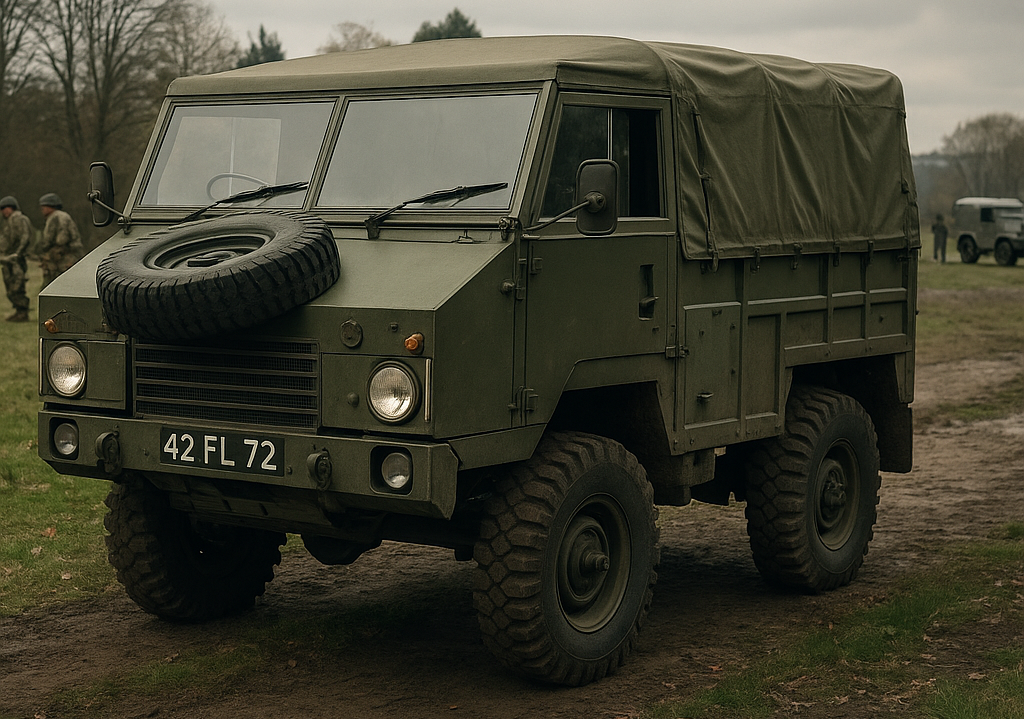
Land Rover 101 Forward Control

Although not considered one of the rarest, the last time I saw one of thee on the road was about 8 years ago. In fact that was the only time. Also, in my opinion it’s one of the coolest-looking!

Conclusion

The allure surrounding these rarest-of-the-rare Land Rovers extends beyond mere ownership—they represent pieces history embodying innovation adventure endurance synonymous brand itself since inception back late forties through present day modern era continued pushing boundaries what possible both on off road alike… For true enthusiasts there’s nothing quite like thrill discovering acquiring such an elusive gem whether be early Series I Tickford Station Wagon cinematic legend Defender SVX “Spectre” purpose-built utility offered by Series II Forward Control or unique blend power luxury found within first-generation Discovery Camel Trophy Editions respectively… Collectors know well joy comes not just having but knowing story behind each vehicle truly makes chase worthwhile ultimately enriching overall experience being part larger global community passionate dedicated preserving celebrating legacy one world’s most iconic automotive marques—Land Rover!

  • “The Rare Ones: Limited Edition & Unusual Land Rovers.” Nene Overland UK.
  • “Discover Rare Land Rover Models.” Duckworth Motor Group Ltd UK.
  • “Rarest Land Rovers – A Roundup Of The Best.” Just British .
Posted on Leave a comment

What is the Land Rover 101 forward control?

Table of Contents

Overview

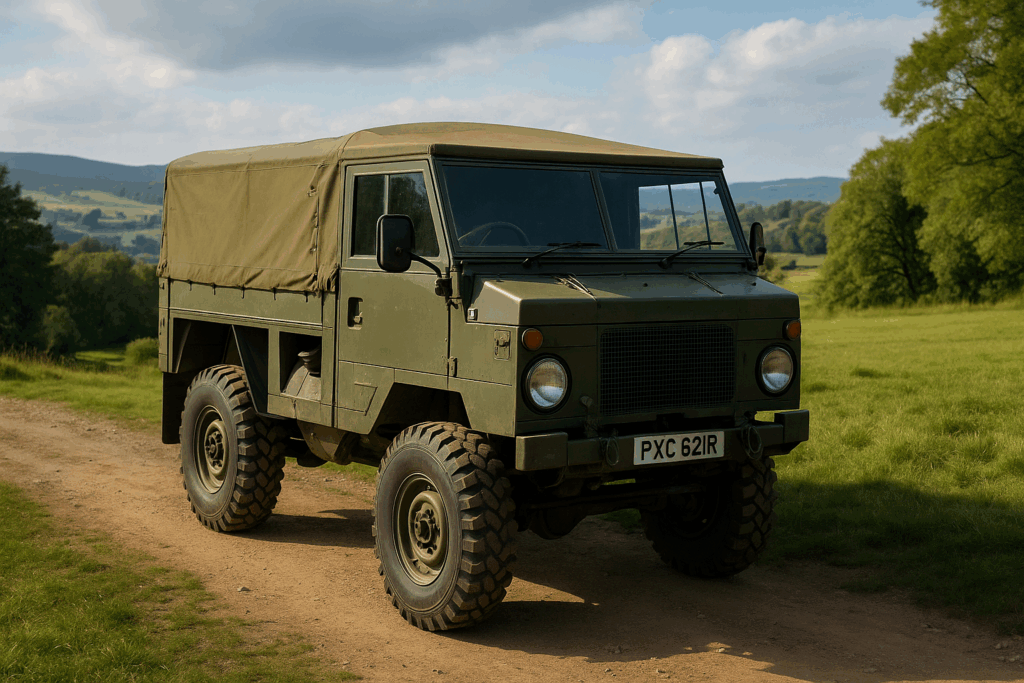
The Land Rover 101 Forward Control, or 101FC, is a military vehicle produced in the 1970s. Designed for versatility and robust performance, it features a 101-inch wheelbase, a 3.5-liter Rover V8 engine producing about 135 bhp, and permanent four-wheel drive. With a payload capacity of one tonne and a towing capacity of 1.8 tonnes, it was primarily used for transporting military loads such as ammunition. Its design allows for easy air transport, fitting into standard RAF aircraft. If you own one and want to show off you might like our 101FC t-shirts.

Production and Purpose

The Land Rover 101 Forward Control (101FC) was produced between 1972 and 1978. During its production run, a total of 2,669 units were delivered. These vehicles were primarily built for military use, specifically designed to meet the needs of the British Army.

The primary purpose of the 101FC was to serve as a general service vehicle with the capability to carry substantial loads across challenging terrains. Its main role was to transport military supplies, particularly ammunition for artillery units.

Design Specifications

  • Wheelbase: The vehicle has a wheelbase of 101 inches (2565 mm), which provides stability and maneuverability essential for off-road operations.
  • Engine: It is powered by a 3.5-litre Rover V8 engine.
  • Horsepower: The engine produces approximately 135 bhp (brake horsepower).

Transmission

  • Transmission Type: The 101FC is equipped with an LT95 transmission.
  • Gearbox: The LT95 includes a four-speed gearbox.
  • Transfer Case: It also features a two-speed transfer case, enhancing its capability to handle diverse driving conditions.

Weight and Capacity

  • Curb Weight: The curb weight of the vehicle is approximately 5,300 lbs (2404 kg).
  • Payload Capacity: It has a payload capacity of one ton (2000 lbs or 907 kg), allowing it to carry significant loads without compromising performance.

Towing Capability

  • Towing Capacity: The Land Rover 101FC boasts a towing capacity of over 4000 lbs (1814 kg), making it suitable for hauling additional equipment or trailers as needed in military operations.

Drive and Suspension

  • Drive System: The vehicle is equipped with permanent four-wheel drive, ensuring all wheels receive power at all times for optimal traction on rough terrain.
  • Suspension: Both front and rear suspensions are coil-sprung, providing enhanced comfort and stability during movement over uneven ground.

Performance

  • Top Speed: The top speed of the Land Rover 101FC ranges from around 60 to 70mph. This range allows for both steady transportation on highways and controlled movement in more tactical settings where lower speeds may be necessary due to terrain or operational requirements.

Aerial Transportability

  • Aerial Transportability: Designed with military logistics in mind, one notable feature of the LXIX FC

The 101’s aerial transportability. Its dimensions allow it to be easily loaded onto aircraft without requiring extensive modifications or disassembly—a critical attribute for rapid deployment scenarios where speed is essential.

This capability ensures that troops can have reliable ground transportation immediately upon landing in various operational theaters worldwide.

Military Utilization

Primary Role:

The primary utilization within military contexts was as an ammunition carrier—specifically designed to support gun detachments by transporting necessary munitions efficiently across different battlefield environments.

General Service Vehicle:

Beyond its role as an ammunition carrier, the 101FC also served as a general service vehicle capable of fulfilling multiple logistical roles within armed forces due to its robust design and versatile capabilities.

Conclusion

The Land Rover 101 FC stands out due to its limited production numbers yet significant impact within military circles thanks largely to its specialized design features tailored towards enhancing operational effectiveness—from powerful engine specifications through advanced suspension systems down towards unique attributes like aerial transportability—all contributing towards making this model highly valued among collectors today while remaining historically important within defense sectors globally.

Frequently Asked Questions

What is the payload capacity of the Land Rover 101 Forward Control?

The Land Rover 101 Forward Control has a payload capacity of one ton, which is approximately 2,000 lbs (907 kg).

Can the 101FC be used for towing?

Yes, the 101FC has a towing capacity of over 4,000 lbs (1,814 kg), making it suitable for various towing tasks.

What is the fuel economy of the Land Rover 101FC?